

Why Rose Gold Rings Remain a Favorite for Modern Jewelry
Jewelry trends change often, but rose gold rings have kept their place in both modern and classic collections. Their warm pink tone offers something different from yellow gold and white metals without looking too bold. This balance makes them suitable for engagement rings, wedding bands, anniversary gifts, and everyday jewelry.
Rose gold also works well with many gemstones and skin tones. Buyers can choose simple bands, detailed vintage settings, or sleek modern designs. Understanding the metal, its durability, and its styling options can make the buying process much easier.
What Gives Rose Gold Its Distinctive Color?
Rose gold is created by mixing pure gold with other metals, mainly copper. Pure gold has a deep yellow color and is too soft for most daily-wear jewelry. Adding copper makes the metal stronger and creates its familiar pink or reddish tone.
The exact shade depends on the amount of copper used in the alloy. A higher copper content usually produces a deeper pink color. Some blends also contain small amounts of silver, which can soften the final shade.
Common options include 14K and 18K rose gold. A 14K piece contains less pure gold and usually has a stronger pink appearance. An 18K piece contains more gold, so its color may look softer and slightly more golden.
Why Rose Gold Rings Work With So Many Styles
One reason rose gold rings remain popular is their versatility. The metal can look romantic in a detailed vintage setting or clean and modern in a smooth band. Its warm color also adds visual interest without requiring an unusual ring shape.
Minimalist designs often use thin rose gold bands with small stones. These styles work well for everyday wear because they feel light and simple. Wider bands can create a stronger statement while keeping the same warm appearance.
Vintage-inspired rings often include milgrain details, halos, or engraved patterns. Rose gold complements these features because its color gives the design extra depth. Modern settings may use clean lines, bezel-set stones, or geometric shapes instead.
Choosing a Stone That Complements Rose Gold
The center stone plays a major role in the appearance of any ring. Clear stones create a strong contrast against the warm metal, while colored gemstones can produce a softer or more expressive look.
Diamonds remain a common choice because their brightness stands out against rose gold. Buyers who want another diamond option may also consider lab diamonds, which have the same crystal structure and core physical properties as mined diamonds.
Morganite is another popular match because its peach and blush colors blend naturally with rose gold. Sapphires can also work well, especially blue, pink, and white varieties. Emeralds create a much stronger contrast and give the ring a bold, refined appearance.
Consider the Stone Setting Too
The setting can affect how the center stone appears. Rose gold prongs may give a clear stone a slightly warmer visual tone. Some rings use white gold or platinum prongs around the stone while keeping a rose gold band.
A mixed-metal setting can help preserve a bright, colorless appearance around the center stone. It also creates a subtle design contrast. Buyers should compare both options in person or through clear product images before deciding.
Rose Gold Rings for Engagement and Wedding Jewelry
Rose gold rings are especially common in bridal jewelry because they offer a softer alternative to traditional yellow or white metals. Engagement rings can range from simple solitaire designs to detailed halo settings.
Couples can also use rose gold for wedding bands. A plain band pairs well with an ornate engagement ring, while a diamond-set band can add extra detail to a simple solitaire.
Matching metals creates a coordinated look, but mixing metals is also common. A rose gold engagement ring can pair with a white gold or yellow gold band if the shapes and proportions work well together.
Comfort should also influence the final choice. A ring worn every day needs a band width, profile, and setting that fit the wearer’s routine.
Understanding Durability and Daily Wear
Rose gold is generally durable enough for regular jewelry use. Copper strengthens the gold alloy, which can make rose gold more resistant to minor bending than higher-purity yellow gold.
However, no precious metal is completely resistant to scratches. Daily activities can leave small surface marks over time. These marks often become less noticeable as the ring develops a natural worn finish.
People who work with tools, chemicals, or heavy equipment should remove fine jewelry during those activities. The same rule applies during intense exercise, cleaning, or tasks that place pressure on the hands.
It is also worth considering metal sensitivity. Rose gold contains copper, and alloy compositions can vary by manufacturer. Buyers with known metal allergies should ask about the exact materials before purchasing.
How to Select the Right Karat
Gold karat indicates the percentage of pure gold in the alloy. The two most common options for rose gold jewelry are 14K and 18K.
A 14K ring contains 58.3 percent pure gold. It usually offers good durability and a noticeable rose color because it contains a larger percentage of alloy metals.
An 18K ring contains 75 percent pure gold. It often has a richer gold appearance with a softer pink tone. The higher gold content may also increase the price.
Neither option is automatically better. Buyers should consider color preference, budget, lifestyle, and how often the ring will be worn.
Matching Rose Gold With Skin Tone and Other Jewelry
The warm character of rose gold makes it easy to wear with many skin tones. Its blend of pink, red, and gold tones can complement both warm and cool complexions.
People who already wear yellow gold may find that rose gold blends naturally with their collection. It also pairs well with white metals, especially in stacked rings or layered jewelry.
Mixed-metal styling has become a practical way to avoid choosing only one metal color. A wearer can combine rose, yellow, and white metals while keeping the look balanced through similar shapes or finishes.
For example, a thin rose gold band can sit beside a white gold diamond band. Repeating similar stone sizes or band widths can make the combination feel intentional.
How to Care for Rose Gold Jewelry
Regular cleaning helps remove oils, lotion, and dirt that can reduce a ring’s shine. A simple solution of warm water and mild dish soap works for many pieces.
Soak the ring briefly, then clean it with a very soft brush. Focus on areas around the setting where debris often collects. Rinse carefully and dry the ring with a soft, lint-free cloth.
Avoid harsh cleaners unless the jeweler confirms they are safe for the metal and gemstone. Some chemicals can affect certain stones or damage surface treatments.
Professional inspections are also useful for rings with gemstones. A jeweler can check prongs, settings, and other small parts before they become loose enough to cause a problem.
What to Check Before Buying
Buyers should look beyond appearance before making a final decision. Confirm the gold karat, ring size, stone specifications, return policy, and any available warranty.
For gemstone rings, review the stone’s cut, color, clarity, and carat weight. If the ring uses lab diamonds, check whether grading information comes from a recognized gemological laboratory.
Photos can help, but lighting may change how rose gold appears on a screen. Product videos, customer images, or an in-person viewing can provide a more realistic idea of the color.
Also consider future maintenance. Some designs are easier to resize or repair than others. Intricate bands, eternity settings, and certain stone arrangements may require specialized work.
A Warm Metal With Lasting Design Flexibility
Rose gold offers a useful mix of warmth, durability, and design flexibility. It works with simple bands, detailed bridal settings, colorful gemstones, and modern mixed-metal jewelry.
The best rose gold rings are not defined by a single trend. They should match the wearer’s lifestyle, preferred color, budget, and comfort needs. By comparing karat, setting style, stone choice, and long-term care requirements, buyers can choose a piece that remains practical and appealing for years.

More Stories

Kasino Modern dengan Pengalaman Bermain Lebih Nyata
Kasino digital terus berkembang dengan menghadirkan pengalaman bermain yang semakin dekat dengan suasana nyata. Saat ini, Kasino tidak hanya menawarkan...

Understanding Alternative Online Gaming Websites
Alternative online gaming websites are digital platforms that provide access to various forms of interactive entertainment outside the most widely...

Why Oval Engagement Ring NZ Styles with Lab Diamonds Are Stealing the Show
So, here’s a thought: why do some engagement rings just feel more… special? Maybe it’s the sparkle. Maybe it’s the...
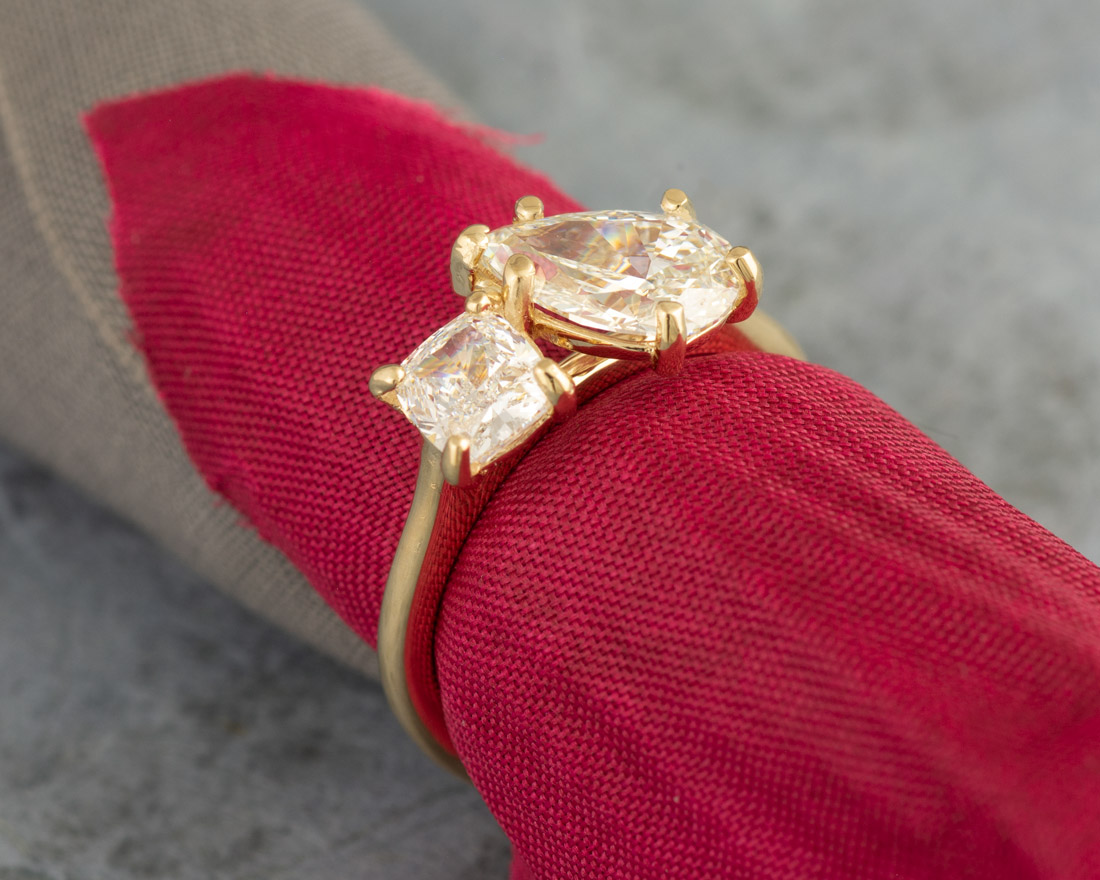
Toi et moi ring diamonds with lab: a modern symbol of love
When it comes to the rings about this deep meaning, Toi et Moi Ring has always placed a special place...

Sell Gold Bullion Melbourne With Trusted Gold Buyers
What Gold Buyers Do Cash comes easier when someone sells gold to a buyer. Things like coins, jewelry, bullion bars,...

Online Baccarat Gaming—Amazing Tricks, Tips And Many More
Whether you a professional and expert gambler or a newbie in the world of online gambling, you must need to...